
Choosing the right book for a child can ignite a passion for reading that lasts a lifetime. One of the best children’s books to read is “The Gruffalo” by Julia Donaldson, which combines captivating illustrations, a delightful story, and memorable rhymes. This book not only entertains but also teaches important lessons about bravery and cleverness.

As children explore the world of this beloved character, they encounter vibrant language and engaging narratives. The rhythmic text makes it enjoyable for both adults and children to read together, fostering a shared love for storytelling. With its relatable themes and charming characters, “The Gruffalo” has become a staple in children’s literature.


The impact of reading is profound, and selecting books that resonate can make this journey even more rewarding. “The Gruffalo” stands out not just as a fun story, but as a powerful tool to inspire imagination and creativity in young minds.
“The Dog Who Followed the Moon“ is a story about a young pup named Amaya who wanders lost in the mountain forests. An aging wolf rescues her from a terrifying encounter with a vicious pack. Together, they embark on a journey to reunite Amaya with her parents by following the moon


Criteria for Identifying Top Children’s Books
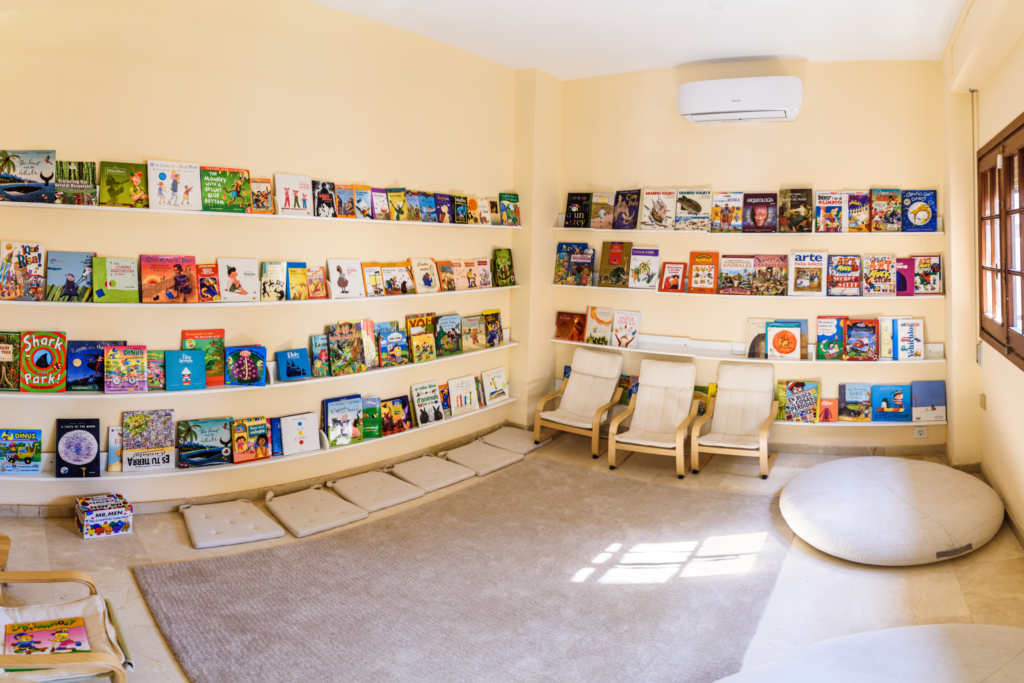
Selecting the best children’s books involves several specific criteria. These criteria ensure that the selected books are engaging, educational, and appropriate for young readers. Key aspects include thematic relevance, quality of illustrations, language use, diversity representation, and educational benefits.
Age-Appropriate Themes
Books for children should reflect themes suitable for their developmental stage. This means that the subject matter must resonate with the emotional and cognitive capacities of the intended age group.
For instance, a picture book for toddlers may explore simple ideas of friendship, while early chapter books can introduce more complex themes like resilience and empathy.
Content must not only entertain but also align with children’s understanding. Books should invite curiosity and inspire imagination without overwhelming readers with concepts too advanced for them.
Quality of Illustrations
Illustrations play a significant role in children’s literature, especially for younger audiences. Effective visuals enhance the storytelling experience and can communicate emotions and ideas that words alone may not convey.
High-quality illustrations support comprehension and retention. They attract children’s attention, appealing to their visual learning styles.
Illustrations should also reflect diverse characters and scenes to engage readers from different backgrounds. The synergy between text and visuals can create a more enriching reading experience.
Language and Vocabulary
Language choice is crucial when selecting children’s books. The vocabulary must match the reading level of children while still challenging them.
Books should introduce new words in context, allowing children to expand their language skills without feeling intimidated.
Rhythm and rhyme in storytelling often help with phonetic awareness. Simple sentence structures should prevail for younger readers, while chapter books can begin to incorporate richer language and more complex sentences.
Cultural and Social Diversity
Diverse representation in children’s books is essential for fostering inclusivity and understanding. Books should reflect a variety of cultures, ethnicities, and lifestyles.
This representation helps children develop empathy for others and fosters a sense of belonging among those who see their own experiences in literature.
Children’s books that highlight different perspectives can encourage conversations around diversity, social justice, and acceptance. It allows young readers to see the world from multiple viewpoints.
Educational Value
Educational content enriches children’s books, aligning storytelling with learning objectives. Top books should not only entertain but also teach valuable lessons or skills.
This includes promoting critical thinking, problem-solving, and moral development.
Books that introduce concepts such as counting, the alphabet, or science-related themes can enhance cognitive growth. The balance between education and entertainment ensures that reading remains enjoyable while providing significant benefits.
Classics and Must-Read Titles

This section explores timeless works that have shaped children’s literature. It includes beloved classics as well as contemporary favorites and award-winning titles that resonate with young readers.
Timeless Classics
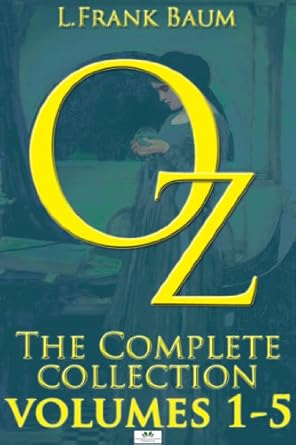
Timeless classics have enchanted generations of children. Books such as Charlotte’s Web by E.B. White and The Wizard of Oz by L. Frank Baum remain integral to childhood reading experiences.
In Charlotte’s Web, themes of friendship and sacrifice are woven into the narrative, making it a touching tale for readers. On the other hand, The Wizard of Oz takes young readers on an imaginative adventure filled with memorable characters.
These books not only entertain but also impart important life lessons, fostering empathy and understanding in children. Their rich storytelling continues to captivate new audiences today.




Contemporary Favorites
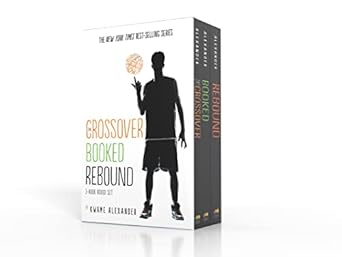
Contemporary favorites reflect modern themes and diverse perspectives. Titles such as Wonder by R.J. Palacio and The Crossover by Kwame Alexander stand out in this category.
Wonder tells the poignant story of a boy with a facial difference navigating school life. Its message about kindness and acceptance resonates deeply.
The Crossover, written in verse, explores the ups and downs of adolescence through the lens of basketball. The engaging rhythm and relatable characters make it appealing to middle-grade readers. These books not only reflect current societal issues but also celebrate individuality.



Award-Winning Works
Award-winning titles often receive recognition for their exceptional storytelling and illustration. Books like The One and Only Ivan by Katherine Applegate and Last Stop on Market Street by Matt de la Peña exemplify this.
The One and Only Ivan tells the story of a gorilla living in captivity and his yearning for freedom. The narrative highlight’s themes of friendship and the importance of following one’s dreams.
Last Stop on Market Street captures a child’s journey through a city with his grandmother, emphasizing community and gratitude. Each of these titles enriches children’s literature, offering profound insights and engaging stories.


Genre-Specific Recommendations
Books can transport young readers into various worlds. Each genre offers unique experiences that cater to different interests and age groups.
Fantasy and Adventure
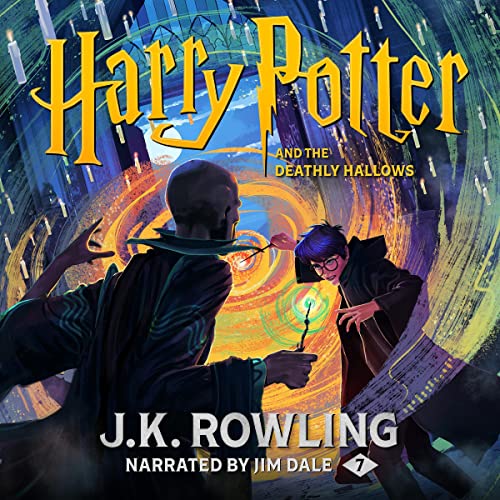
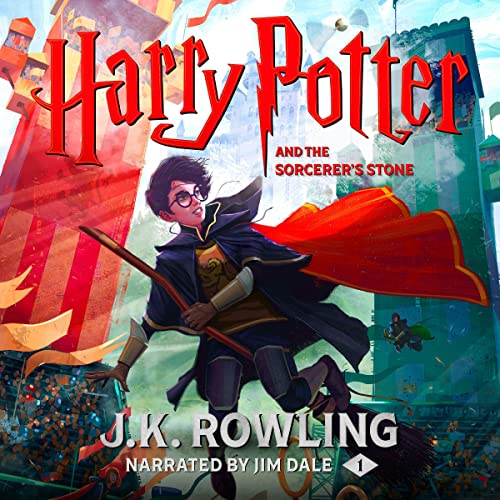
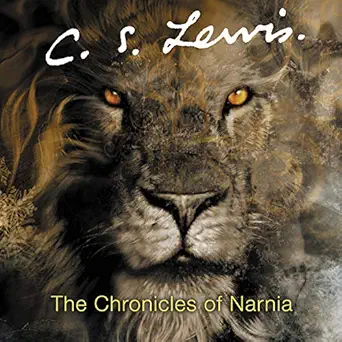
Fantasy and adventure books ignite children’s imaginations. Series like “Harry Potter” by J.K. Rowling invite readers into a magical world filled with spells, mythical creatures, and friendship. Another popular title is “The Chronicles of Narnia” by C.S. Lewis, which takes children on quests through enchanted lands.
These stories often include themes of bravery, self-discovery, and the battle between good and evil. Young readers particularly enjoy interactive elements, such as puzzles or maps, enhancing engagement with the narrative.

Mystery and Suspense
Mystery and suspense books challenge children to think critically. “Nancy Drew” series by Carolyn Keene centers on a teen sleuth solving intriguing mysteries, appealing to their love of problem-solving. Similarly, “The Hardy Boys” by Franklin W. Dixon provides engaging plots that encourage collaboration and analytical thinking.
These books often feature puzzles, clues, and unexpected twists. This genre captivates young minds and fosters a sense of accomplishment as they uncover solutions alongside the characters.

Science Fiction and Dystopian
Science fiction and dystopian novels open doors to futuristic concepts. Titles like “A Wrinkle in Time” by Madeleine L’Engle introduce time travel and alternate dimensions, captivating adventurous readers. “The Giver” by Lois Lowry presents a thought-provoking dystopian society, encouraging discussions about freedom and individuality.
These books often inspire curiosity about science and technology. They encourage readers to ponder moral questions and potential futures, promoting critical thinking and creativity in young minds.


Historical Fiction
Historical fiction brings the past to life through compelling narratives. “Number the Stars” by Lois Lowry offers insight into World War II through the eyes of a young girl, teaching empathy and resilience. “The War That Saved My Life” by Kimberly Brubaker Bradley chronicles the experiences of a girl with a disability during wartime, highlighting themes of courage and acceptance.
Such books help young readers connect with history in emotional and relatable ways. They encourage exploration of diverse cultures and historical events, fostering a sense of context and understanding in their development.
International Children’s Literature
Children’s literature from various regions offers diverse perspectives, themes, and storytelling traditions. Exploring these works reveals the richness and depth of international narratives that can engage and enlighten young readers.
European Works
European children’s literature features a broad range of styles, themes, and cultural influences. Notable authors include Astrid Lindgren from Sweden, known for her beloved character Pippi Longstocking, and Roald Dahl from the UK, famous for his imaginative and sometimes mischievous tales like Matilda and Charlie and the Chocolate Factory.
Fairy tales also hold a significant place in this region, with contributions from the Brothers Grimm and Hans Christian Andersen. These stories often carry moral lessons, enchanting children for generations. The blend of fantasy and real-life challenges in European works captivates children, encouraging a sense of wonder and curiosity.
Asian Literature
Asian children’s literature showcases a rich tapestry of oral traditions and written narratives. Authors like Ruth Stiles Gannett, who wrote My Father’s Dragon, introduce readers to magical adventures rooted in nature and friendship.
Japanese literature often emphasizes themes of perseverance and harmony with nature. One prominent work is Kiki’s Delivery Service by Eiko Kadono, which portrays a young witch learning independence and responsibility.
Illustrated books, such as those by Chinese artist Demi, also bring traditional stories to life, merging visual art with storytelling. Asian narratives often incorporate cultural values, providing young readers with insights into different ways of life.
African Storytelling
African storytelling is rich with history, often transmitted orally. The oral tradition plays a crucial role, with griots sharing tales that combine teaching, entertainment, and cultural heritage. Authors like Verna Aardema, known for Why Mosquitoes Buzz in People’s Ears, adapt these oral stories for written form, preserving the essence of the culture.
Books often reflect community values and the importance of unity, with characters navigating moral dilemmas. Folktales and myths explore themes of bravery and wisdom, instilling important lessons in children. These stories celebrate Africa’s diverse cultures and enhance children’s understanding of global traditions.
Latin American Narratives
Latin American children’s literature is vibrant and often incorporates elements of magic realism. Authors like Jorge Luis Borges and Isabel Allende introduce fantastical elements into everyday life.
Works such as The House on Mango Street by Sandra Cisneros provide insights into cultural identity and the challenges of growing up in a diverse society. Mexican literature, featuring tales full of folklore, such as La Llorona, captivates with its profound narratives.
Illustrated bilingual books play a significant role, helping bridge language barriers and promoting bilingualism among young readers. Through these narratives, children not only enjoy engaging plots but also embrace the cultural richness of Latin America.