
Your Blueprint to Wealth and Independence
Achieving financial freedom is a goal many aspire to, yet the path can feel overwhelming. With numerous strategies and advice available, it can be difficult to determine where to begin. By following six practical steps, anyone can create a personalized plan to secure their financial future and gain control over their finances.

Understanding the basic principles of budgeting, saving, investing, and managing debt is essential for success. Each step builds upon the last to establish a solid foundation for wealth accumulation. Whether starting from scratch or seeking to refine existing habits, a clear roadmap can lead to lasting financial independence.
Taking the initiative toward financial freedom requires commitment and a willingness to learn. This journey is not just about accumulating wealth; it is about making informed choices that enhance quality of life. Readers will find actionable insights within these six steps to guide them on their path to financial empowerment.
Assessing Your Financial Situation

A clear understanding of one’s financial position is essential for achieving financial freedom. This involves evaluating debts and income, reviewing monthly expenses, and establishing specific financial goals.
Evaluate Current Debts and Income
Assessing current debts and income lays the foundation for financial planning. Begin by listing all debts, including credit cards, loans, and mortgages. Note the total amount owed and interest rates associated with each. This will help prioritize which debts to pay off first, often starting with those that carry the highest interest.
Next, detail all sources of income, such as salaries, bonuses, and side jobs. Calculating the net income after taxes provides a clearer picture of monthly cash flow. Comparing total income against total debts can highlight whether one is living beyond their means or if there’s room for saving and investing.


Review Monthly Expenses
To build a comprehensive financial plan, reviewing monthly expenses is crucial. Start by tracking all monthly expenditures, including fixed costs like rent or mortgage payments and variable costs like groceries and entertainment.
Categorizing expenses into needs and wants helps identify areas for reduction. For example, subscriptions or memberships that are rarely used may be canceled. Consider creating a budget that allocates specific amounts to each category, allowing for better financial management.
Using tools like budgeting apps can simplify this process and provide visual aids for spending habits. Regular monitoring allows for adjustments and ensures adherence to financial goals.
Establish Your Financial Goals
Establishing financial goals provides direction and motivation. These goals should be specific, measurable, achievable, relevant, and time-bound (SMART). For instance, a goal could be to save a specific amount for a vacation within a certain timeframe.
Short-term goals might include paying off credit card debt or building an emergency fund. Long-term goals could encompass saving for retirement or purchasing a home. Writing these goals down increases accountability and commitment.
Regularly reviewing and adjusting these goals ensures they remain aligned with changing financial circumstances and aspirations. This proactive approach contributes to building a sustainable path toward financial freedom.
Creating a Personalized Budget Plan

Creating a personalized budget plan involves understanding income sources, tracking expenses, and making informed financial decisions. Focus on distinct categories, prioritize savings, and find opportunities for cost-cutting to build a stronger financial foundation.


Categorize Spending
Categorizing spending is essential for a clear view of one’s financial habits. One effective method is the 50/30/20 rule, where 50% of income goes to needs, 30% to wants, and 20% to savings.
By listing monthly expenses, individuals can identify fixed costs, such as rent and utilities, and variable costs, like groceries and entertainment. This breakdown helps in recognizing areas where spending can be reduced. Tools like budgeting apps or spreadsheets can assist in tracking and categorizing spending effectively.
Regularly reviewing these categories enables adjustments based on changing priorities or financial situations. Keeping a close eye on spending patterns empowers individuals to make proactive choices towards financial freedom.
Prioritize Savings Over Expenditure
Prioritizing savings is crucial in building financial stability. Instead of viewing savings as an afterthought, individuals should treat them as a fixed expense. Setting up automatic transfers to a savings account can ensure that a portion of income is saved before it can be spent.
Establishing specific savings goals, such as an emergency fund or retirement savings, provides a clear target. Individuals should assess their financial goals and strategize how much to allocate towards these goals each month.
Tracking progress towards these goals can offer motivation and maintain focus. Making savings a priority creates a financial buffer, fostering peace of mind and enabling future investment opportunities.
Implement Cost-Cutting Strategies
Implementing cost-cutting strategies can significantly impact a budget. Individuals should review all subscriptions and memberships, eliminating those that are no longer used or valuable. This can free up funds that can be redirected to savings or essential expenses.
Shopping smart is another effective strategy. They can save money by utilizing coupons, comparing prices, and opting for generic brands. Creating a shopping list before heading to the store helps avoid impulse purchases, which can derail the budget.
Additionally, evaluating recurring expenses such as insurance can lead to potential savings. Comparing rates across providers can yield lower premiums without sacrificing coverage. Every dollar saved contributes to building a more robust financial position.
Building an Emergency Fund

Establishing an emergency fund is a vital step towards achieving financial freedom. It provides a financial safety net for unexpected expenses, enabling individuals to navigate challenging situations without resorting to debt.
Set a Target Amount
A well-defined target amount is crucial for an effective emergency fund. Financial experts often recommend saving three to six months’ worth of living expenses. This amount varies based on individual circumstances, such as income stability and family size.
To determine a suitable target, calculate fixed and variable monthly expenses, including:
- Housing costs: Rent or mortgage payments
- Utilities: Electricity, water, and internet bills
- Transportation: Car payments and fuel costs
- Groceries: Food and household supplies
By totaling these expenses, individuals can establish a realistic target for their emergency fund. Adjusting the target based on personal risk tolerance can enhance financial security.
Choose the Right Savings Vehicle
Selecting an appropriate savings vehicle is essential for growing the emergency fund. High-yield savings accounts are often recommended due to their accessibility and competitive interest rates.
Consider the following options:
- High-yield savings accounts: Provides liquidity and earns more interest than traditional savings accounts.
- Money market accounts: Usually offer higher interest rates with limited transactions.
- Certificates of Deposit (CDs): Offer fixed interest rates for set periods, but may have early withdrawal penalties.
Investing in these vehicles allows the fund to grow without risking access to the money. Furthermore, ensuring that the chosen account is FDIC insured will add an extra layer of security.
Investing for Wealth Accumulation

Investing plays a critical role in building wealth over time. Understanding the various investment options, developing a diverse portfolio, and managing risks are essential steps in this journey.
Understand Different Investment Options
Various investment options exist, each with unique characteristics. Stocks represent ownership in a company and can provide high returns but come with higher risk. Bonds, on the other hand, are debt instruments that typically offer lower returns with less risk.
Real estate investment can provide rental income and value appreciation. Mutual funds and exchange-traded funds (ETFs) allow investors to diversify their holdings across stocks and bonds without requiring extensive research. Each option serves different financial goals and risk tolerances.
Develop a Diverse Portfolio
A well-diversified portfolio minimizes risk and maximizes potential returns. Diversification involves spreading investments across various asset classes, such as stocks, bonds, real estate, and commodities.
For example, an investor might allocate 60% to stocks, 30% to bonds, and 10% to alternative investments. This strategy helps cushion against market volatility. Regularly reviewing and rebalancing the portfolio is essential to maintain desired asset allocations and respond to changing market conditions.
Manage Risks Wisely
Risk management is vital in investing for wealth accumulation. Investors should assess their risk tolerance based on financial goals, time horizon, and market conditions.
Using stop-loss orders can limit potential losses in volatile markets. Additionally, continuous education about market trends and investment vehicles helps in making informed decisions.
Staying disciplined during market downturns is crucial. Emotional investing can lead to poor decisions, undermining long-term wealth-building efforts.
Planning for Retirement

Effective retirement planning requires careful assessment of future needs and consistent savings strategies. Understanding these aspects can lead to a secure financial future.
Estimate Retirement Needs
Assessing retirement needs involves calculating the total amount required to maintain one’s desired lifestyle after retirement. Key factors include:
- Living Expenses: Consider housing, healthcare, food, and transportation costs.
- Desired Lifestyle: Determine spending for leisure activities, travel, and other pursuits.
- Life Expectancy: Account for how long the retirement savings need to last.
To estimate, many experts suggest using the 80% rule, which states that retirees may need about 80% of their pre-retirement income. Utilizing retirement calculators can also help visualize savings goals and adjust plans accordingly.
Contribute Regularly to Retirement Accounts
Regular contributions to retirement accounts significantly impact long-term wealth accumulation. Starting early and maximizing contributions can be beneficial. Consider these strategies:
- Employer-sponsored plans: If available, contribute to a 401(k) or similar plan, especially if the employer offers matching contributions.
- Individual Retirement Accounts (IRAs): Utilize traditional or Roth IRAs to diversify retirement savings.
Establishing automatic contributions can simplify the process. Even small amounts can grow substantially over time due to compound interest. Consistency is crucial for building a solid retirement fund.
Continuous Financial Education
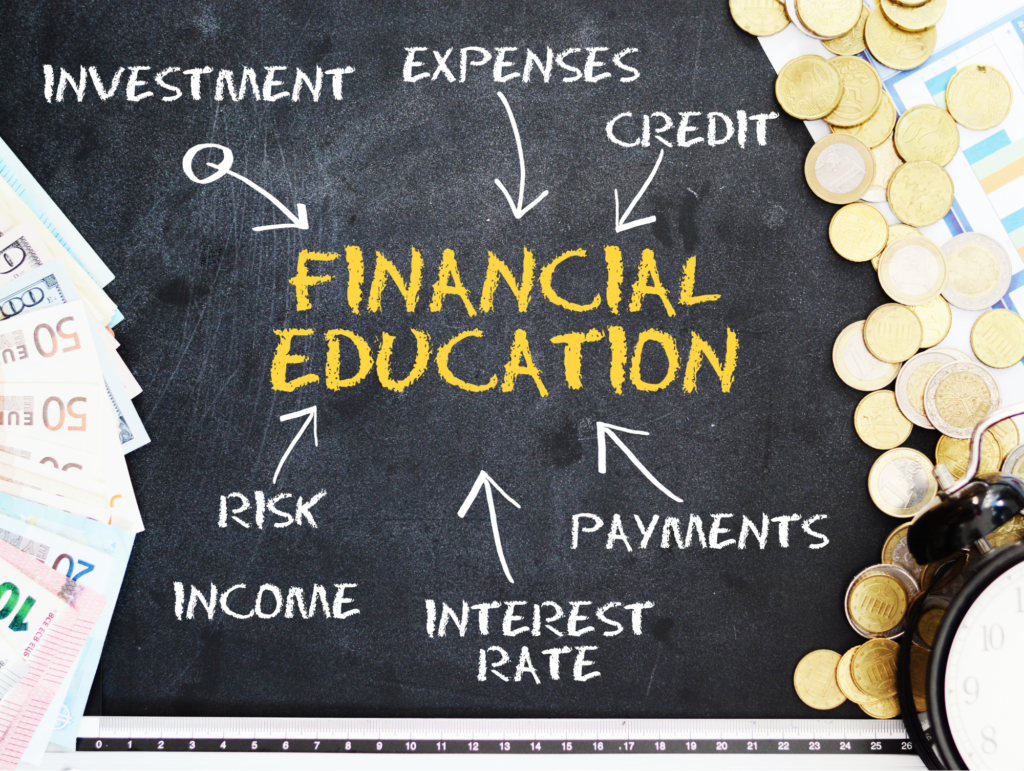
Continuous financial education is essential for individuals aiming for financial freedom. It equips them with the knowledge and skills needed to make informed decisions about their finances. Keeping up-to-date with financial information allows for better planning and investment strategies.
Read Financial Literature
Reading financial literature is a key strategy for enhancing financial knowledge. This covers a variety of materials, including books, articles, and reputable websites. Such resources provide insights into budgeting, investing, and wealth-building techniques.
Recommended Types of Literature:
- Books: Titles like “Rich Dad Poor Dad” and “The Intelligent Investor.”
- Articles: Financial news websites often publish updates on market trends and tips.
- Blogs: Personal finance blogs can provide relatable, practical advice.
“The Best Finance Books to Read Now: Top 10 Picks”
Regularly engaging with this content helps in understanding complex concepts and staying informed about financial trends.


Attend Workshops and Seminars
Attending workshops and seminars offers interactive learning experiences for those seeking to deepen their financial literacy. These events often feature industry experts who share valuable knowledge and real-world applications.
Benefits of Participation:
- Networking: Opportunities to connect with like-minded individuals and professionals.
- Q&A Sessions: Providing direct access to experts for personalized guidance.
- Hands-On Activities: Engaging in practical exercises reinforces learning.
Many organizations also offer online workshops, making it convenient to access valuable information from anywhere.
Consult with Financial Advisors
Consulting with financial advisors provides personalized insights tailored to individual goals. These professionals can assist in creating a comprehensive financial plan that aligns with specific objectives.
Key Considerations:
- Qualifications: Look for certified professionals with relevant credentials.
- Specialization: Some advisors focus on areas like retirement planning or investment strategies.
- Fee Structure: Understanding how they charge (flat fee, hourly, or commission) is crucial for budgeting.
Regular consultations can lead to informed decisions and adjustments in financial strategies as needs evolve.