
The Importance of Coloring Books for Kids: Enhancing Creativity and Cognitive Development
Coloring books for kids serve more than just entertainment; they play a vital role in development. Engaging in coloring activities enhances fine motor skills, promotes creativity, and can even support emotional expression. As children choose colors and create their own interpretations, they develop decision-making abilities and boost their self-esteem.

Beyond skill development, coloring can also offer a form of relaxation. Many children experience stress or anxiety, and the simple act of coloring can provide a calming effect. This creative outlet allows kids to express their emotions constructively, fostering a sense of well-being.
Parents and caregivers may not always recognize the educational benefits of coloring. By incorporating coloring books into a child’s routine, they contribute to cognitive growth and imaginative thinking while also nurturing a love for art and self-expression.
Cognitive Development through Coloring

Coloring activities play a significant role in enhancing various cognitive skills in children. Engaging in coloring helps develop fine motor skills, promotes color recognition, and encourages concentration and patience.
Key Features to Look for in Coloring Books
- Age-Appropriate Designs
- Simple shapes and larger spaces for toddlers.
- Intricate designs and themes for older kids.
- Engaging Themes
- Popular topics like animals, nature, cartoons, or fantasy worlds to capture interest.
- Durable Pages
- Thick, high-quality paper that prevents bleed-through from markers or paints.
- Non-Toxic Materials
- Ensure the book is safe for use with crayons, markers, or paints.
- Educational Value
- Books with letters, numbers, or fun facts to combine learning with creativity.
- Portable Size
- Compact and lightweight for easy travel and use on the go.
- Interactive Elements
- Activities like connect-the-dots, mazes, or puzzles to keep kids engaged.
- Variety of Content
- A mix of simple and detailed images to suit different moods and skill levels.
- Inspirational Messages
- Positive affirmations or quotes to build confidence and self-esteem.
- Reusability
- Some books offer wipe-clean pages for repeat use, ideal for younger kids.
Selecting the right coloring book enhances the child’s creative experience while supporting their learning and development.
Top Recommendations for Coloring Books by Age Group
Choosing the right coloring book for children requires consideration of their age and developmental stage. A thoughtful selection can enhance creativity and improve fine motor skills. Below is a curated list of commendable coloring books tailored for various age groups, from toddlers to older kids.
Age 1-3
For toddlers aged 1-3, “My First Coloring Book” is an ideal choice. This coloring book features simple line drawings that are easy for young children to color. Each page includes large spaces and familiar objects, such as animals and fruits, that can captivate a toddler’s attention. Its thick pages minimize tearing, ensuring a hassle-free experience for little hands.


Age 4-5
As children progress to ages 4-5, “Crayola Coloring Pages” becomes an excellent option. This book not only includes a variety of characters from popular children’s shows but also offers educational elements like shapes and colors. The perforated pages make it easy for parents to remove and display their child’s artwork. Additionally, the book promotes creativity while reinforcing learning through fun illustrations.


Age 6-8
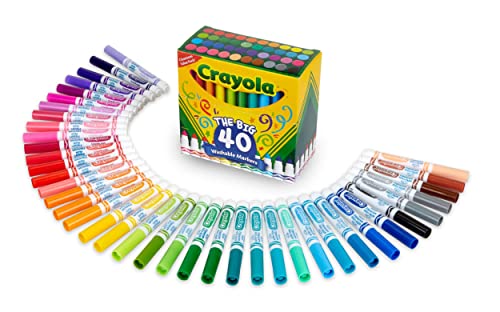
For kids aged 6-8, “Color Wonder Magic Markers” presents an innovative approach to coloring. This unique book allows children to use special markers that only color on the designated pages, eliminating any mess. The interactive nature of this coloring book keeps children engaged and offers a sense of accomplishment as they see their creations come to life through vibrant colors.




Age 9-12
Older children aged 9-12 may enjoy “Art of Coloring: Disney” which provides intricate designs inspired by beloved characters and landscapes from Disney films. With a mix of complexity and nostalgia, this coloring book allows older kids to explore shading techniques and artistic expression while immersing themselves in the whimsical world of Disney.


By tailoring the choice of coloring book to the child’s age group, parents can ensure an enriching experience that nurtures creativity and learning. These recommendations serve as a practical guide in selecting the most suitable coloring book for children at various developmental stages.
Creative Activities to Pair with Coloring
Coloring is not merely a standalone activity; it can serve as a springboard for a multitude of creative experiences that enrich children’s artistic expression. One way to enhance the coloring experience is by integrating storytelling. After children complete a coloring page, encourage them to craft a story based on the characters or scenes they have colored. This not only nurtures their imagination but also aids in developing their narrative skills. Parents may ask guiding questions to help prompt ideas, allowing the child’s creativity to flourish.

Another exciting idea is to use the completed artworks for home decor. After children finish their coloring projects, consider displaying their work on the refrigerator, in a special frame, or even as part of a gallery wall in their room. This not only incentivizes them to continue their artistic pursuits but also instills a sense of pride in their creations, validating their efforts and inspiring further artistic endeavors.




Incorporating art into education bridges creativity with learning. Parents can connect shapes and colors from coloring activities to subjects like math or science, helping children grasp concepts in an enjoyable way. Digital coloring apps enhance traditional books, offering tools for layering colors, altering designs, and adding animations. These platforms create a dynamic blend of creativity and exploration, enriching the learning experience.
Overall, by pairing coloring activities with storytelling, décor projects, educational lessons, and digital tools, parents can facilitate a more enriching and comprehensive creative journey for kids. These integrated experiences not only promote creativity but also foster cognitive and emotional development.
Guidance and Positive Reinforcement
Offering guidance during coloring activities helps children develop skills and confidence. Parents and educators can suggest color combinations or techniques, but it is important to encourage personal expression. This balance fosters creativity while providing constructive feedback.
Positive reinforcement is crucial. Compliments on effort rather than just the outcome can motivate children to engage more deeply with their work. Phrases like “I love how you chose those colors” validate their choices and encourage further exploration. Regular discussions about their artwork can also strengthen critical thinking and verbal skills. Engaging in coloring together can turn this activity into a bonding experience, reinforcing both social skills and creativity.